Brick vs. Stone Tuckpointing: Key Differences for Commercial Projects
People searching for brick vs. stone tuckpointing: key differences for commercial projects often want to understand which material suits their needs, and local contractors can provide expert guidance and quality restoration services.
If you’re exploring options for tuckpointing on a commercial property, understanding the differences between brick and stone tuckpointing is essential. Property owners in the area often consider these distinctions to ensure their buildings maintain structural integrity and aesthetic appeal. Whether you're updating an older facade or planning a restoration project, knowing which material and technique best suits your needs can make a significant difference in the outcome. Local contractors specializing in tuckpointing services can provide insights tailored to your property, helping you make informed decisions that align with your project goals.
This guide aims to clarify the practical differences between brick and stone tuckpointing, highlighting how each approach impacts durability, appearance, and long-term maintenance. Property owners who are considering tuckpointing for commercial projects can benefit from understanding these key factors, ensuring the right choice supports both the functionality and visual character of their buildings. Connecting with experienced local service providers can help clarify your options and ensure the work aligns with your property’s specific requirements. Keep reading to learn more about how these materials compare and how local experts can assist with your tuckpointing needs.
- Commercial Brick Tuckpointing - needed when restoring or maintaining brick facades on historic or modern commercial buildings, with local contractors emphasizing precise joint work.
- Commercial Stone Tuckpointing - suitable for projects involving natural stone exteriors where durability and aesthetic consistency are priorities, with service providers focusing on matching stonework.
- Brick vs. Stone Tuckpointing for Restoration - chosen during building restorations to match original materials, with local pros tailoring techniques to preserve architectural integrity.
- Structural Tuckpointing for Commercial Masonry - required when addressing structural issues in brick or stone masonry, with local contractors assessing and implementing appropriate repairs.
- New Construction Tuckpointing - used in new commercial projects to create clean, finished joints, with service providers applying techniques suitable for brick or stone materials.
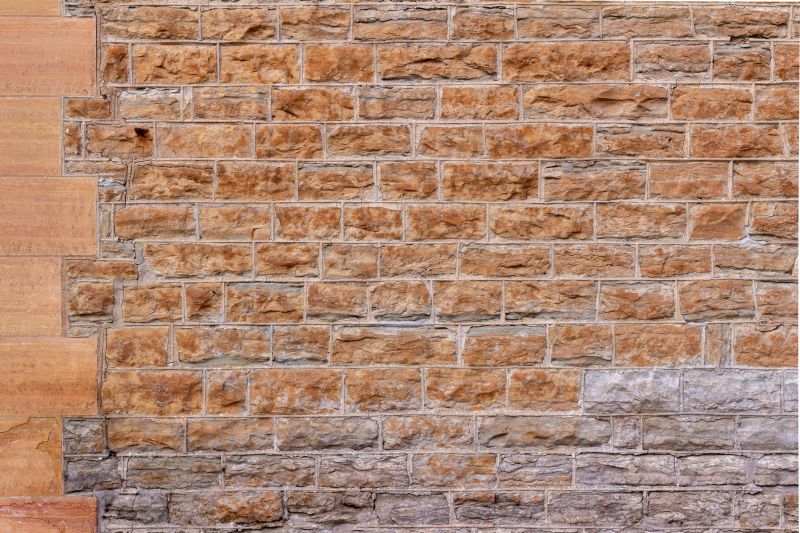
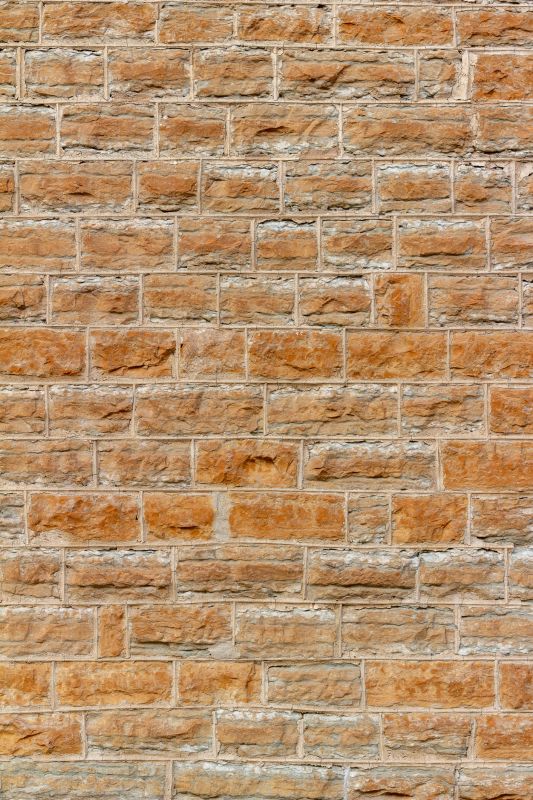
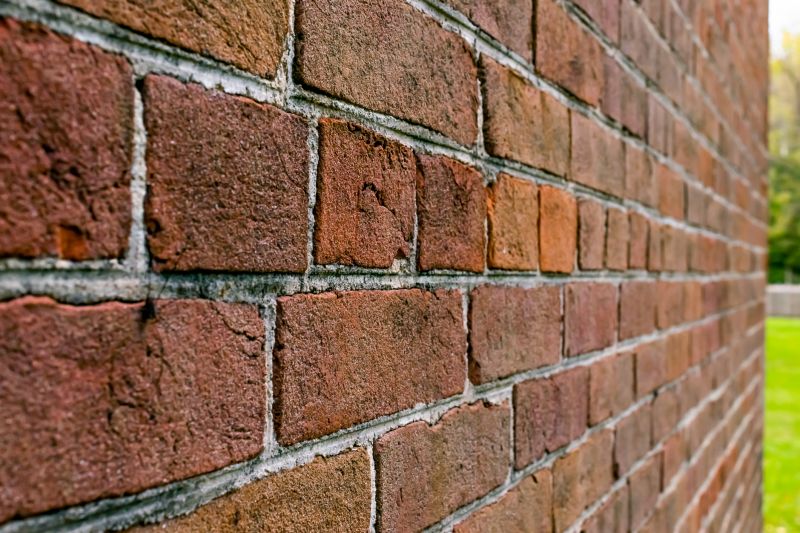
When searching for information about brick vs. stone tuckpointing for commercial projects, most people are typically exploring the differences in materials, techniques, and suitability for their specific property types. This topic often comes up when property owners or managers notice deterioration in their masonry structures, such as cracked mortar joints, crumbling brickwork, or stone surfaces that no longer look stable or appealing. The goal is usually to understand which material and method will best restore the building’s appearance and structural integrity, especially in commercial settings where the visual impression and durability are critical. People may also be planning renovations or maintenance projects that involve repointing or restoring historic facades, and they want to know how the choice between brick and stone impacts the longevity and appearance of their property.
The problems connected to brick vs. stone tuckpointing often involve aging masonry that has experienced weather damage, mortar decay, or structural shifts. Commercial properties, including office buildings, retail centers, warehouses, and apartment complexes, frequently face these issues as part of ongoing maintenance. Property owners may be considering tuckpointing as part of a broader effort to improve curb appeal, prevent further damage, or comply with building standards. Understanding the key differences between tuckpointing with brick and with stone helps determine the best approach for repair or restoration. For instance, choosing the right material can influence the durability of the repair, the visual consistency with existing masonry, and the overall cost-effectiveness of the project.
Commercial properties that often come up in discussions of brick vs. stone tuckpointing include historic buildings, modern office complexes, retail storefronts, and industrial facilities. These structures typically feature either brick facades, stone exteriors, or a combination of both, making the decision between the two materials significant for ongoing maintenance. Older buildings, especially those with historic or architectural significance, may require specialized tuckpointing techniques to preserve their original appearance. On the other hand, newer commercial properties might prioritize durability and low maintenance, which could influence the choice toward certain types of brick or stone. Local contractors specializing in tuckpointing can assess the specific needs of each property and recommend the most suitable approach to ensure the structure remains both attractive and structurally sound.
Understanding the distinctions between brick and stone tuckpointing helps property owners make informed decisions about their commercial projects. Brick tuckpointing typically involves replacing or repairing mortar joints in brick masonry, which is common in many commercial facades due to its affordability and widespread use. Stone tuckpointing, however, often requires more precise work because natural stone can vary in texture, size, and composition, demanding specialized skills. Local service providers who understand these differences can evaluate the condition of the existing masonry and advise on the best materials and techniques to match the original construction. This ensures that the repair work not only restores the visual appeal but also maintains the structural integrity, helping commercial properties stand the test of time.
Masonry Restoration Projects - Professionals skilled in masonry restoration often handle tuckpointing for brick and stone to preserve historic or aged structures in commercial settings.
Facade Repair and Renovation - Local contractors experienced in facade repairs use tuckpointing techniques to improve the appearance and durability of commercial building exteriors.
Brick and Stone Wall Repointing - Repointing projects for brick and stone walls require similar skills and tools as tuckpointing, ensuring structural integrity and aesthetic appeal.
Exterior Masonry Cleaning and Sealing - Cleaning and sealing services often involve tuckpointing prep work to ensure the longevity of the masonry surface in commercial properties.
Structural Crack Repair - Repairing cracks in brick or stone facades involves skills comparable to tuckpointing, focusing on restoring stability and preventing further damage.
Commercial Masonry Installation - Installing new brick or stone facades requires planning and skill sets that align with tuckpointing work for seamless and durable finishes.
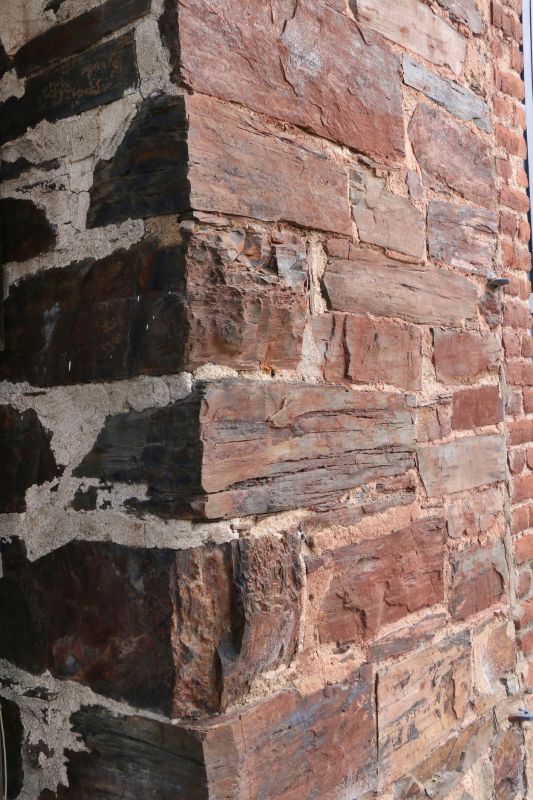
When comparing contractors for brick vs. stone tuckpointing, it’s important to consider their experience with similar projects. Tuckpointing involves different techniques and materials depending on whether the work is on brick or stone surfaces, especially for commercial properties with unique structural or aesthetic requirements. Service providers who have a proven track record handling projects of comparable scope and material type are more likely to understand the nuances involved, ensuring the work is completed to a high standard and that the finished appearance aligns with the building’s original design.
Clear, written expectations are essential when evaluating local contractors for tuckpointing services. A detailed scope of work that specifies the materials, techniques, and finishes for brick versus stone can help prevent misunderstandings and ensure the project meets specific needs. It’s beneficial to review any documentation or proposals carefully, asking for clarification on how the contractor plans to address the differences in materials and the unique challenges presented by commercial projects. Well-defined expectations also serve as a reference point throughout the project, fostering transparency and accountability.
Reputable references and strong communication are key indicators of a reliable service provider. Contractors with positive feedback from previous clients, particularly those who have completed similar brick or stone tuckpointing projects, demonstrate a history of quality work. Good communication ensures that questions about material choices, project scope, and progress are addressed promptly, reducing the risk of surprises or misaligned expectations. When selecting local pros for tuckpointing, focusing on those who can provide clear information and demonstrate a solid reputation can help ensure the project’s success and durability.
Property owners often search for brick vs. stone tuckpointing: key differences for commercial projects when they are planning practical projects around their homes and businesses. Local pros provide Brick vs. Stone Tuckpointing services for everyday jobs and straightforward project options.
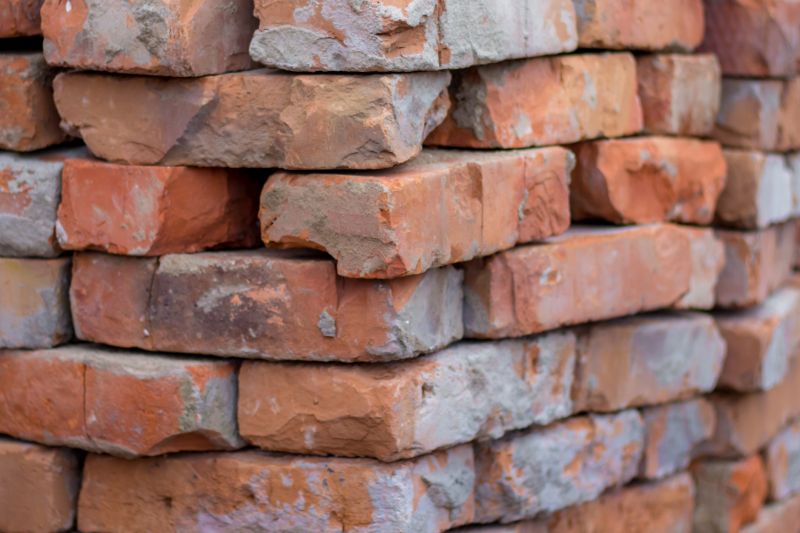
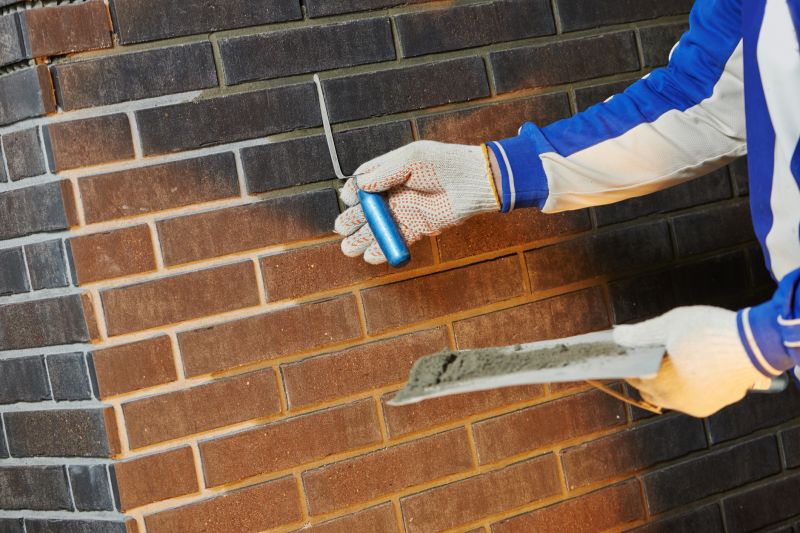
Understanding the differences between brick and stone tuckpointing is a common concern for property owners involved in commercial projects. Many seek this information to determine which material and repair approach will best suit their building’s aesthetic and structural needs. When considering tuckpointing services, local contractors can provide insights into how each material responds to weather conditions, age-related wear, and the specific demands of a commercial property. This helps owners make informed decisions about repairs that will preserve the integrity and appearance of their buildings over time.
Property owners often look up brick vs. stone tuckpointing to understand the benefits and limitations of each option for their projects. Local service providers can evaluate the existing masonry, recommend suitable materials, and perform repairs that match the original construction. Whether the goal is to restore historic facades or improve the durability of a commercial structure, connecting with experienced local contractors ensures the right approach is taken for the specific needs of the property.
What are the main differences between brick and stone tuckpointing for commercial projects? Brick tuckpointing involves repairing or restoring mortar joints in brick masonry, while stone tuckpointing focuses on mortar work in stone structures. The choice depends on the material used in the building’s facade and the specific aesthetic or structural needs. Local contractors can assess the existing materials to recommend the most suitable approach for a commercial project.
How does the material type influence the tuckpointing process? The material type-brick or stone-affects the techniques and tools used during tuckpointing, as well as the mortar mixture. Stone may require more precise matching and specialized tools, which local service providers can provide to ensure a seamless repair that preserves the building’s integrity.
Are there differences in durability between brick and stone tuckpointing for commercial buildings? Yes, durability can vary based on the material and the quality of tuckpointing work. Stone structures often withstand weathering better, but proper tuckpointing tailored to each material is essential for longevity. Local pros can adapt their methods to maximize durability for each type of material.
Can brick and stone tuckpointing be combined in a single project? Yes, some commercial projects feature both brick and stone elements, and tuckpointing may be needed for each. Experienced local contractors can perform the necessary work on both materials, ensuring consistency and structural stability across the entire facade.
Why should a business consider hiring local pros for brick vs. stone tuckpointing? Local service providers have specialized knowledge of the materials common in the area and can tailor their techniques accordingly. They also understand regional weather conditions that impact tuckpointing durability, providing quality work suited to the specific needs of commercial properties.
Understanding material differences - Property owners can explore how brick and stone materials impact the appearance and durability of tuckpointing repairs in commercial settings with local contractors.
Choosing the right tuckpointing style - Business owners can decide between brick or stone tuckpointing techniques based on the existing building materials and desired aesthetic, with guidance from local service providers.
Assessing project suitability - Property managers can evaluate whether brick or stone tuckpointing is better suited for their building’s structure and weather exposure, with advice from experienced local contractors.
Planning for long-term maintenance - Commercial property owners can plan ongoing upkeep strategies by understanding how brick versus stone tuckpointing affects longevity and repair needs, with assistance from local pros.
If you are thinking about brick vs. stone tuckpointing: key differences for commercial projects for a property, this guide is meant to help you understand this topic, the typical project types, and how different options might fit your plans.
When you are ready, you can use the quote form on this page to share a few details about your project. From there, local pros can review the basics and follow up with options that match what you have in mind.