Signs Commercial Brick or Stone Mortar Needs Tuckpointing
People searching for signs commercial brick or stone mortar needs tuckpointing are typically looking to repair or restore damaged mortar to maintain structural integrity, and local contractors can provide expert tuckpointing services to address these issues effectively.
Property owners in the area who notice issues with their brick or stone exteriors may find themselves exploring options related to tuckpointing. Recognizing signs that commercial brick or stone mortar needs tuckpointing-such as crumbling mortar, cracked joints, or water infiltration-can help prevent further damage and preserve the structural integrity of a building. Keeping an eye out for these indicators is a practical step for maintaining the appearance and safety of commercial or residential properties, especially in climates where weather can accelerate mortar deterioration.
For those considering repair or restoration, local contractors specializing in brick and stone tuckpointing offer valuable expertise. These professionals can assess the condition of mortar joints and recommend appropriate solutions to restore stability and visual appeal. Connecting with experienced service providers ensures that the necessary work aligns with the specific needs of the property, helping to safeguard its longevity while maintaining its aesthetic charm.
- Signs commercial brick or stone mortar needs tuckpointing - property owners noticing deteriorating mortar joints may seek local contractors to restore the integrity and appearance of their masonry.
- Signs commercial brick or stone mortar needs tuckpointing - businesses experiencing cracked or crumbling mortar around their signage or storefronts often turn to service providers for repair and preservation.
- Signs commercial brick or stone mortar needs tuckpointing - building managers observing water infiltration or damage due to compromised mortar may contact local pros for tuckpointing solutions.
- Signs commercial brick or stone mortar needs tuckpointing - those planning facade renovations or upgrades might look for experienced contractors to ensure mortar is properly maintained.
- Signs commercial brick or stone mortar needs tuckpointing - property owners noticing loose or missing mortar joints often seek local service providers to prevent further masonry deterioration.
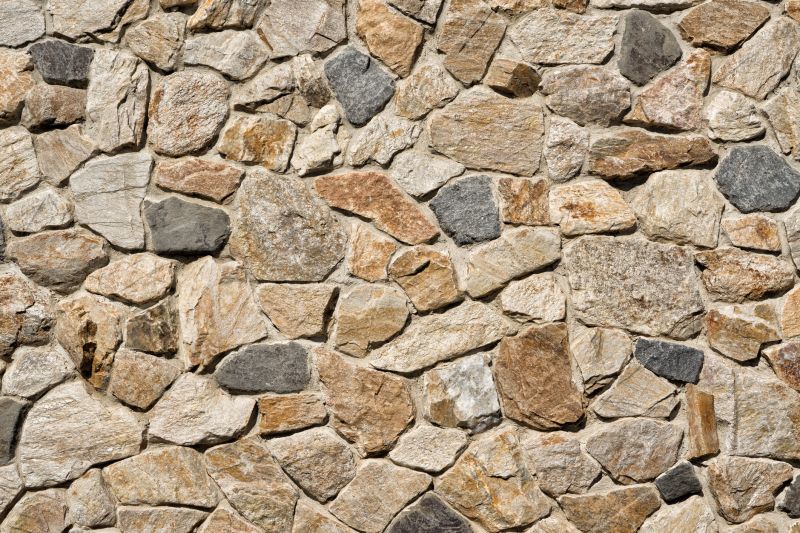
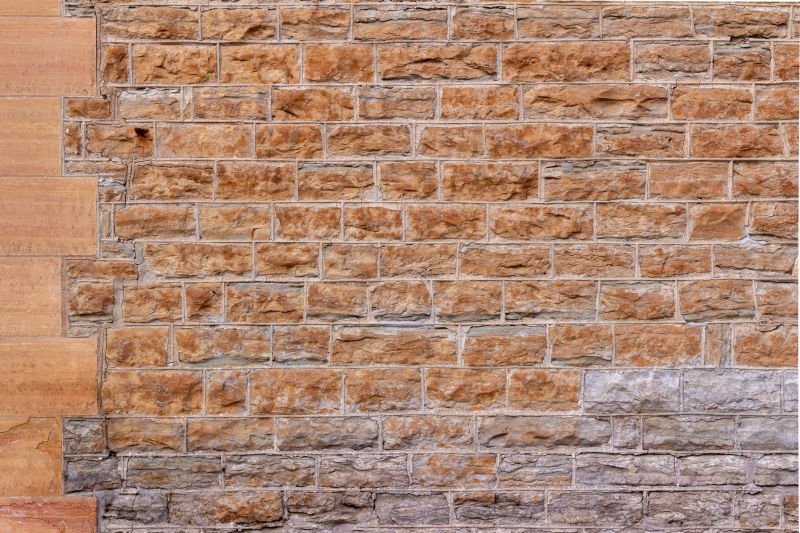
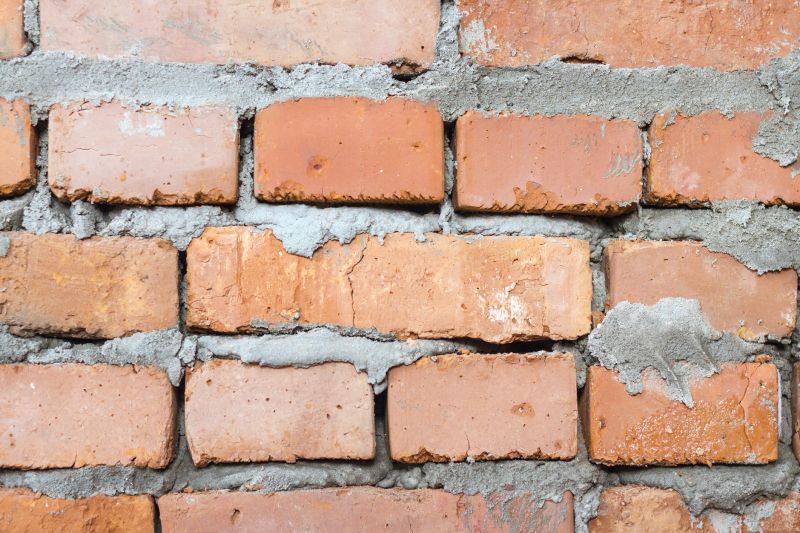
When searching for signs commercial brick or stone mortar needs tuckpointing, property owners are often noticing visible issues with their building’s exterior. Common indicators include cracked, crumbling, or missing mortar joints, which can compromise the structural integrity and aesthetic appeal of brick or stone facades. These signs are usually easy to spot during routine inspections or while walking past a property, especially if the mortar appears discolored or deteriorated. Recognizing these visual cues early can help prevent more extensive damage, making it important to understand what tuckpointing involves and when it’s needed.
Tuckpointing is closely related to maintaining the stability and appearance of brick and stone structures. When mortar begins to break down, it can allow moisture to seep into the walls, leading to potential water damage, mold, or even structural failure over time. Property owners often consider tuckpointing as part of their repair or renovation plans, especially when preparing a building for long-term use or improving its curb appeal. It’s a practical solution for addressing damage caused by weather, age, or settling, ensuring that the masonry remains solid and visually appealing. Local contractors who specialize in tuckpointing can assess these signs and recommend the appropriate repairs to maintain the building’s integrity.
Properties that typically come up in discussions about mortar needs include commercial buildings, historic landmarks, apartment complexes, and multi-unit residential properties. Commercial properties, such as office buildings, retail centers, and warehouses, often have large brick or stone facades that require regular inspections for mortar deterioration. Historic buildings may need tuckpointing to preserve their original appearance and structural soundness, especially if original mortar has begun to weaken. Multi-family residential complexes and institutional facilities also benefit from professional tuckpointing services to prevent costly repairs down the line. These projects usually involve careful assessment by experienced local service providers who understand the specific requirements of different property types.
Connecting with local pros who specialize in brick or stone tuckpointing ensures that property owners receive tailored solutions for their specific needs. These professionals can evaluate the condition of the mortar joints, identify signs of deterioration, and recommend appropriate repair strategies. Whether it’s a minor patch or a complete repointing of an entire facade, local contractors bring valuable expertise to the project. Engaging with experienced service providers helps property owners protect their investments, improve the appearance of their buildings, and extend the lifespan of their masonry structures. Properly addressed signs that commercial brick or stone mortar needs tuckpointing are essential steps in maintaining a safe, attractive, and durable property.
Historical Building Restoration - professionals experienced in restoring historic brick or stone structures can handle tuckpointing to preserve the integrity and appearance of aged masonry.
Chimney Repair and Masonry - chimney rebuilds and repairs often require tuckpointing skills to ensure proper mortar joints and structural stability.
Fireplace Masonry Projects - local contractors can perform tuckpointing on fireplaces to improve both safety and aesthetic appeal in residential or commercial settings.
Exterior Wall Repair - repairing or upgrading the exterior walls of commercial or residential buildings often involves matching mortar and restoring brick or stone joints with tuckpointing.
Stone Veneer Installation - installing or repairing stone veneers may require skilled tuckpointing to secure stones and ensure a seamless look.
Brick Paving and Walkways - creating or maintaining brick walkways and patios can involve mortar work similar to tuckpointing to maintain joint integrity and durability.
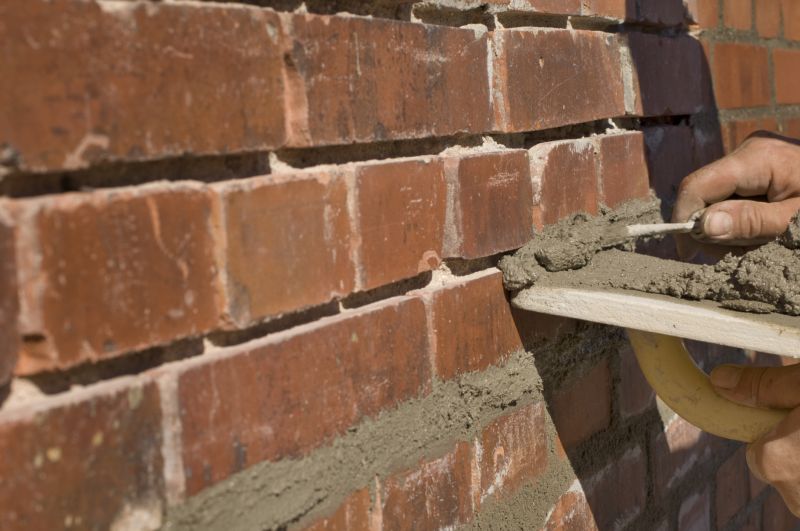
When evaluating service providers for signs commercial brick or stone mortar needs tuckpointing, it’s important to consider their experience with similar projects. An experienced contractor will have a proven track record of handling brick and stone work, understanding the unique challenges that come with restoring or repairing masonry surfaces. Asking about past projects can help determine if a contractor has the necessary skills and familiarity with the specific materials and techniques required for tuckpointing on commercial properties. This background can provide confidence that the work will be performed with attention to detail and an understanding of best practices in masonry restoration.
Clear written expectations are essential when comparing local contractors for tuckpointing services. A reputable service provider should be willing to outline the scope of work, materials to be used, and any specific steps involved in the project. Having this information in writing helps ensure both parties share a common understanding of what the job entails, reducing the potential for misunderstandings or surprises. Detailed expectations also serve as a foundation for evaluating the professionalism of a contractor and can assist in making an informed decision based on the completeness and clarity of their proposals.
Reputable references and good communication are key factors to consider when choosing a contractor for signs commercial brick or stone mortar needs tuckpointing. Asking for references from previous clients can provide insight into the contractor’s reliability, quality of work, and ability to complete projects on time. Additionally, effective communication throughout the process-whether in answering questions, providing updates, or addressing concerns-indicates a contractor’s professionalism and commitment to customer service. These qualities help ensure the project progresses smoothly and that the final results meet expectations, making them valuable considerations when comparing local service providers.
Property owners often search for signs commercial brick or stone mortar needs tuckpointing when they are planning practical projects around their homes and businesses. Local pros provide Brick or Stone Tuckpointing services for everyday jobs and straightforward project options.
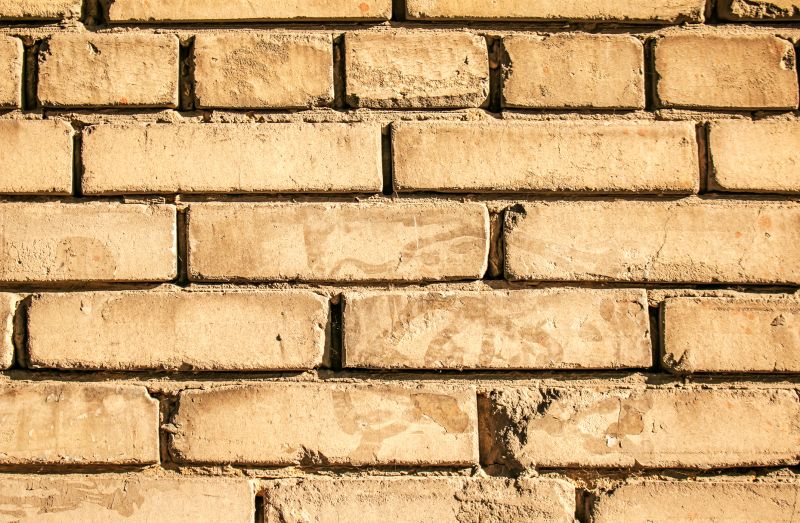
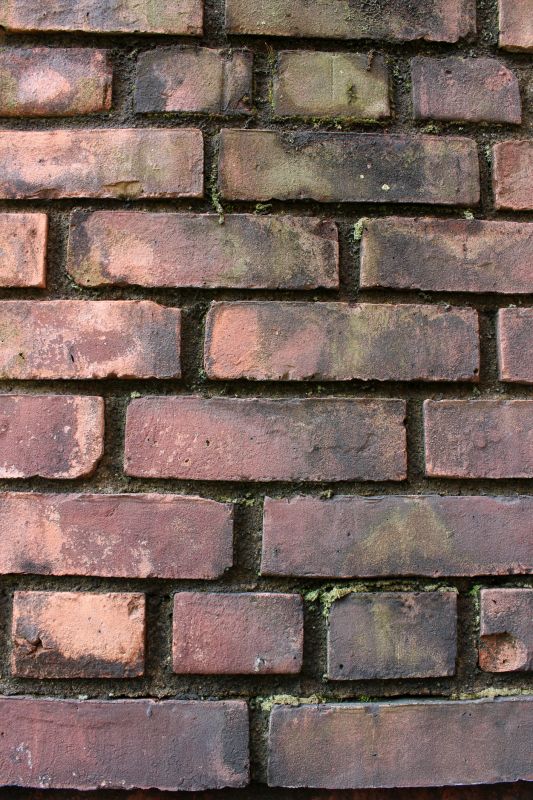
Property owners noticing cracks, crumbling mortar, or deteriorated joints in their brick or stone exteriors may find themselves searching for tuckpointing services. These signs often appear in older buildings or structures exposed to weather elements over time. When mortar begins to weaken or fall out, it can compromise the stability and appearance of the masonry, prompting property owners to seek professional repair. Local contractors specializing in brick and stone restoration can evaluate the extent of the damage and recommend appropriate tuckpointing solutions to restore the integrity and visual appeal of the masonry.
In many cases, visible gaps, loose mortar, or water infiltration issues signal that tuckpointing might be needed soon. Such issues can lead to further deterioration if left unaddressed, making timely repairs essential. Property owners often turn to experienced service providers in the area who can handle these repairs efficiently. These local contractors have the skills to carefully remove damaged mortar and replace it with fresh material, helping to protect the structure from future damage and maintain its overall look.
What are common signs that commercial brick or stone mortar needs tuckpointing? Visible cracks, crumbling mortar, and gaps between bricks or stones often indicate the need for tuckpointing services from local contractors.
How can I tell if the mortar on my building is deteriorating? Discolored, loose, or missing mortar, along with water infiltration or mortar falling out, are signs that professional tuckpointing may be necessary.
Why is it important to address mortar deterioration on brick or stone structures? Addressing mortar issues helps maintain structural integrity, prevents further damage, and preserves the appearance of the building, which local service providers can help with.
Are there visual cues that suggest tuckpointing is needed on commercial masonry? Yes, visible cracks, spalling mortar, and efflorescence are common signs that a building may require tuckpointing from experienced contractors.
What should I look for when searching for tuckpointing services for brick or stone buildings? Look for local service providers with experience in masonry repair, good reputation, and expertise in identifying signs of mortar deterioration that need addressing.
Identifying cracked or deteriorating mortar - noticing visible cracks or crumbling mortar can indicate the need for tuckpointing services by local contractors to restore stability.
Checking for water damage or stains - water stains or efflorescence on brick or stone surfaces may signal mortar issues that require professional repair.
Observing loose or missing mortar joints - mortar that is loose or has fallen out can compromise the integrity of brick or stone structures, prompting a consultation with local pros.
Monitoring for mortar discoloration or efflorescence - unusual discoloration or white deposits on masonry surfaces can be signs that tuckpointing is needed to prevent further damage.
If you are thinking about signs commercial brick or stone mortar needs tuckpointing for a property, this guide is meant to help you understand this topic, the typical project types, and how different options might fit your plans.
When you are ready, you can use the quote form on this page to share a few details about your project. From there, local pros can review the basics and follow up with options that match what you have in mind.