What Tuckpointing Is and Why It’s Critical for Commercial Buildings
Commercial tuckpointing helps restore and strengthen brickwork, and local contractors can expertly handle this essential maintenance to protect your building’s integrity.
If you’re a property owner or manager exploring ways to protect and maintain a commercial building’s exterior, understanding what tuckpointing is and why it’s critical can make a significant difference. Tuckpointing involves carefully repairing and restoring the mortar joints between bricks, helping to preserve the structural integrity and aesthetic appeal of the building. For those in the area, this service is a practical step toward preventing more extensive damage caused by weather, age, or wear and tear. Local contractors specializing in commercial tuckpointing can assess the condition of your building’s masonry and recommend effective solutions to keep it strong and visually appealing.
Maintaining the condition of a commercial building’s exterior isn’t just about appearance-it’s about safeguarding the investment and ensuring safety. When mortar joints begin to deteriorate, it can lead to water infiltration, structural weakening, and costly repairs down the line. That’s why property owners often turn to experienced service providers who excel in tuckpointing for commercial properties. These local experts understand the unique needs of commercial buildings and can deliver targeted repairs that extend the lifespan of the masonry, helping to protect the building’s value and functionality over time. Keep reading to learn more about how tuckpointing plays a vital role in maintaining your property’s exterior.
- Commercial tuckpointing - when cracks, deterioration, or mortar damage threaten the structural integrity of commercial buildings, local contractors can perform precise tuckpointing to restore stability.
- Brick and masonry repair - if the mortar between bricks is crumbling or missing, local service providers can carefully replace and restore the mortar joints to prevent further damage.
- Facade restoration - in cases where the exterior appearance of a commercial building is compromised by mortar deterioration, local pros can skillfully restore the brickwork to maintain curb appeal and protect the structure.
- Waterproofing and sealing - when moisture infiltration is a concern due to damaged mortar joints, local contractors can apply tuckpointing techniques to improve water resistance and prevent internal damage.
- Maintenance and inspection - regular assessments of brickwork and mortar condition help identify issues early, with local pros providing tuckpointing services to preserve the building’s safety and appearance.
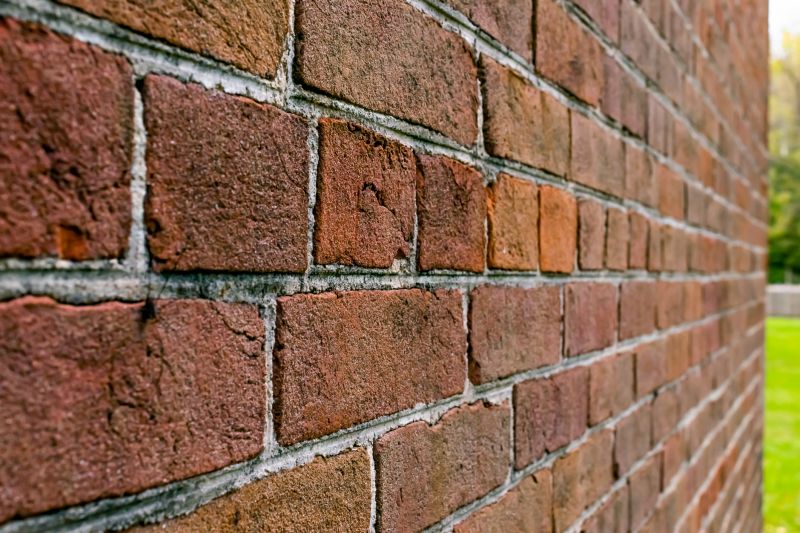
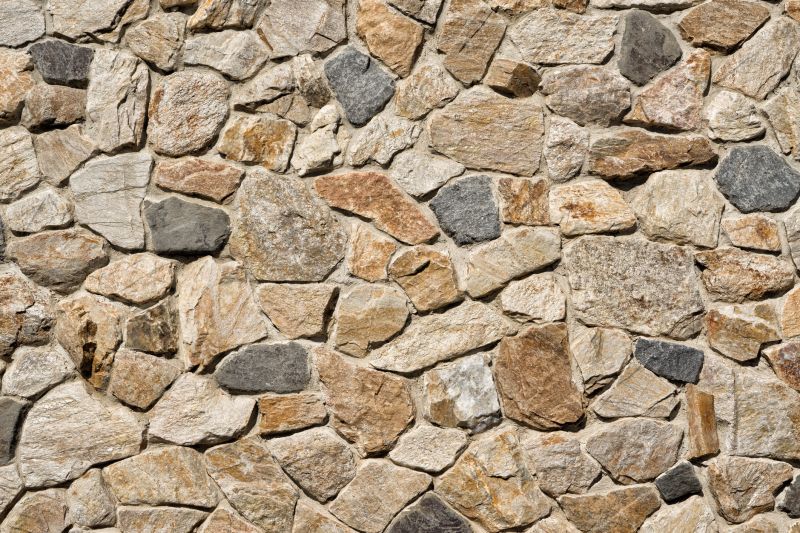
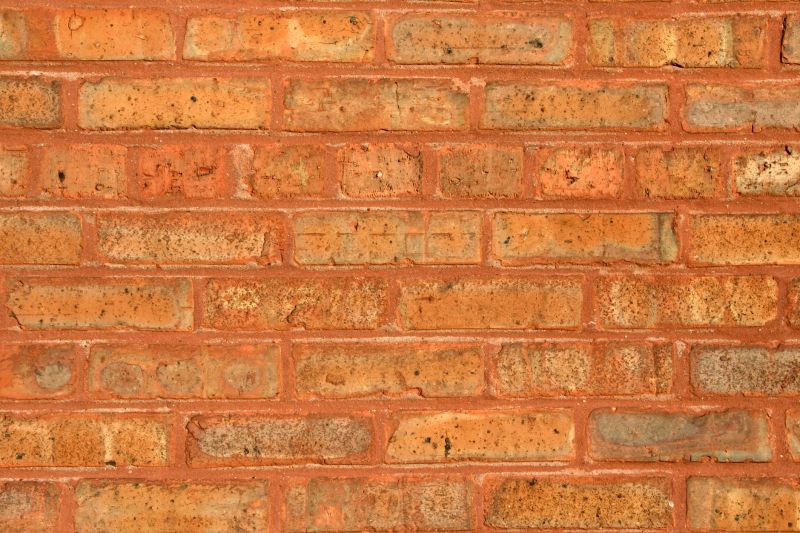
Tuckpointing is a specialized masonry technique that involves repairing and restoring the mortar joints between bricks or stones on a building’s exterior. When people search for what tuckpointing is and why it’s critical for commercial buildings, they are often looking to understand how this process helps preserve the structural integrity and appearance of their property. Over time, mortar can deteriorate due to weather exposure, age, or settling, leading to gaps, cracks, and weakened walls. Tuckpointing involves removing damaged mortar and replacing it with fresh material, which not only improves the visual appeal but also prevents further damage from water infiltration and structural issues.
This service is closely related to property maintenance and renovation plans for commercial buildings, especially those with brick or stone facades. Problems that often prompt inquiries about tuckpointing include crumbling mortar, visible cracks, water stains, or loose bricks. These issues can compromise the safety and durability of a building if left unaddressed. Business owners, property managers, and facility owners may also consider tuckpointing as part of a proactive approach to preserving their investment, ensuring the building remains functional and visually appealing. Local contractors who specialize in commercial tuckpointing can assess these problems and recommend appropriate repairs to uphold the building’s structural health.
Commercial properties that typically come up in discussions about tuckpointing include office buildings, retail centers, warehouses, and industrial facilities. These properties often feature large brick or stone exteriors that are exposed to the elements constantly. Because of their size and exposure, they are especially vulnerable to mortar deterioration, which can lead to costly repairs if ignored. Tuckpointing is a practical solution to extend the lifespan of these structures, restoring their original strength and appearance. Local service providers experienced in commercial tuckpointing understand the specific needs of these property types and can tailor their approach to ensure long-lasting results.
For property owners and managers, understanding what tuckpointing is and why it’s essential can help inform maintenance decisions and project planning. It connects directly to the goal of maintaining a building’s safety, aesthetic appeal, and value. When issues arise with mortar joints, engaging with local contractors who specialize in commercial tuckpointing ensures the work is performed correctly and efficiently. These service providers are equipped to handle the unique challenges of commercial properties, providing solutions that protect the investment and keep the building in solid condition for years to come.
Masonry Restoration - this project involves repairing and restoring brickwork, requiring skills similar to tuckpointing to ensure structural integrity and aesthetic appeal for commercial buildings.
Brick Repair and Replacement - replacing damaged or deteriorated bricks involves precise matching and installation techniques that align with the skills used in tuckpointing for maintaining building stability.
Stonework Repair - restoring or replacing stone elements in building facades shares planning and craftsmanship aspects with tuckpointing to preserve the building's appearance and durability.
Mortar Joint Repointing - this process involves renewing mortar joints, closely related to tuckpointing, to prevent water infiltration and enhance the building’s longevity.
Facade Cleaning and Restoration - cleaning and restoring building exteriors requires careful surface preparation and attention to detail, similar to the techniques used in tuckpointing projects.
Structural Brickwork Reinforcement - reinforcing or stabilizing brick structures involves understanding masonry integrity, paralleling the importance of proper tuckpointing for commercial building safety.
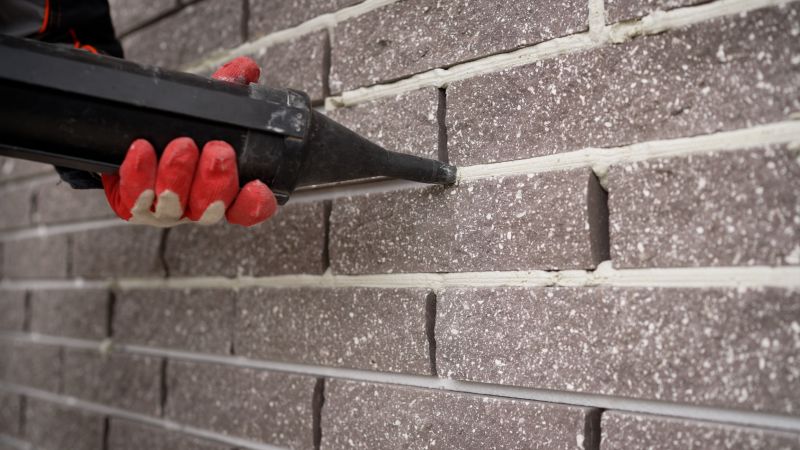
When comparing commercial tuckpointing services, it is important to consider the experience of the service providers with similar projects. Contractors who have a proven track record working on commercial buildings can better understand the specific structural and aesthetic requirements involved. Their familiarity with the unique challenges of tuckpointing in larger or older structures can help ensure that the work is performed effectively and efficiently, reducing the risk of future issues. Asking for references or examples of past work can provide insights into their expertise and reliability, helping to determine if they have successfully handled projects comparable to the scope and complexity of the building in question.
Clear, written expectations are essential when evaluating potential service providers. A detailed scope of work, including the materials to be used, the extent of repairs, and the overall process, helps ensure that everyone is aligned on the project’s goals. Well-defined expectations can also prevent misunderstandings or surprises during the work, allowing the homeowner to make informed decisions. Service providers who are transparent about their procedures and willing to discuss the specifics of their approach demonstrate professionalism and a commitment to clear communication, which is vital for a successful project.
Reputable references and good communication are key factors when choosing a contractor for commercial tuckpointing. Service providers with positive feedback from previous clients typically indicate a history of dependable work and customer satisfaction. Additionally, effective communication-such as responsiveness to inquiries, clarity in explanations, and openness to questions-can significantly influence the overall experience. A contractor who maintains open lines of communication throughout the project fosters trust and ensures that any concerns are addressed promptly, ultimately contributing to a smoother process and a durable, high-quality result.
Property owners often search for what tuckpointing is and why it’s critical for commercial buildings when they are planning practical projects around their homes and businesses. Local pros provide Commercial Tuckpointing services for everyday jobs and straightforward project options.
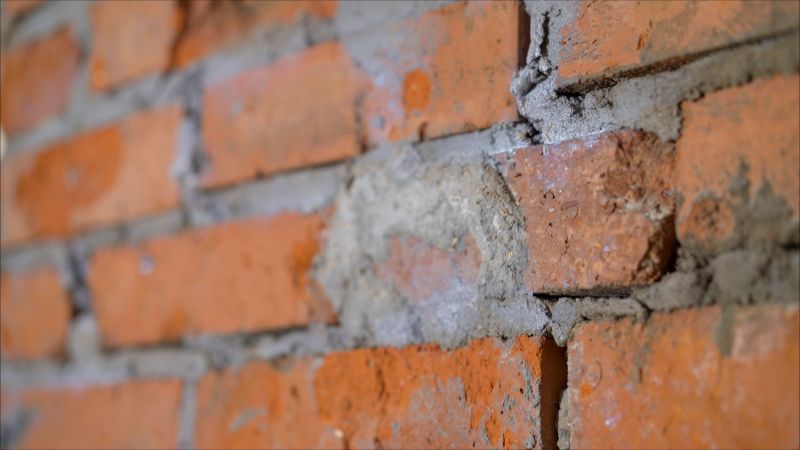
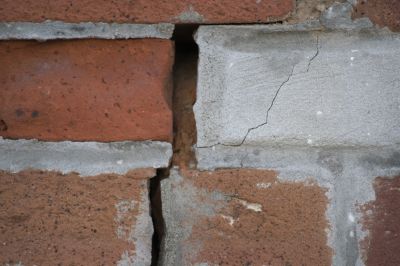
Tuckpointing involves carefully repairing the mortar joints between bricks or stones on a building’s exterior. For commercial properties, maintaining the integrity of these joints is essential to preserve the structure’s appearance and prevent further damage. Property owners often look into tuckpointing when they notice crumbling mortar, cracks, or signs of weathering on their building’s façade. Addressing these issues early can help avoid more extensive and costly repairs down the line, making it a practical step for maintaining the building’s overall stability and visual appeal.
In many cases, property managers and owners seek out commercial tuckpointing services when their building’s exterior shows signs of aging or deterioration. Professional service providers who specialize in this work can assess the condition of the mortar and perform repairs that restore both the look and function of the brickwork. Choosing experienced local contractors ensures that the job is done efficiently and correctly, helping to protect the building from water intrusion, structural issues, and further damage caused by weather exposure.
What is tuckpointing and how does it relate to commercial buildings? Tuckpointing is a masonry repair process that involves removing damaged mortar and replacing it to restore the appearance and integrity of brickwork, which is essential for maintaining the structural stability of commercial buildings.
Why is tuckpointing important for the longevity of commercial buildings? Proper tuckpointing helps prevent water infiltration, reduces deterioration of bricks and mortar, and extends the overall lifespan of a building’s exterior, making it a critical maintenance task.
How do local contractors perform tuckpointing on commercial properties? Local service providers typically assess the condition of the mortar, carefully remove deteriorated mortar, and carefully apply new mortar to match existing brickwork, ensuring durability and aesthetic consistency.
What signs indicate that a commercial building might need tuckpointing services? Visible cracks, crumbling mortar, water stains, or loose bricks are common indicators that tuckpointing may be necessary to prevent further damage.
How can hiring experienced service providers benefit the tuckpointing process? Skilled contractors ensure that tuckpointing is done correctly, preserving the building’s appearance, preventing future issues, and maintaining the structural integrity of commercial properties.
Assessing mortar deterioration - property owners can evaluate the condition of existing mortar joints to determine if tuckpointing is needed for structural stability.
Planning building inspections - scheduling regular inspections with local contractors helps identify areas requiring tuckpointing before issues worsen.
Prioritizing repair projects - understanding the importance of tuckpointing allows property owners to plan and allocate resources for critical masonry repairs.
Choosing the right service providers - researching experienced local contractors ensures that commercial buildings receive effective tuckpointing to protect their investment.
If you are thinking about what tuckpointing is and why it’s critical for commercial buildings for a property, this guide is meant to help you understand this topic, the typical project types, and how different options might fit your plans.
When you are ready, you can use the quote form on this page to share a few details about your project. From there, local pros can review the basics and follow up with options that match what you have in mind.